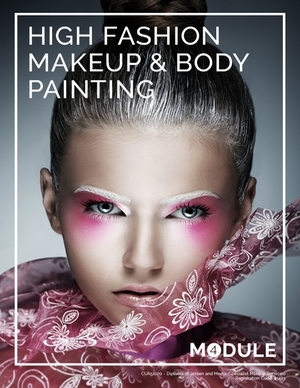
Editorial Beauty Trend: The Ultimate Guide To High-Fashion Makeup Artistry
Have you ever flipped through a high-fashion magazine or scrolled past a stunning runway look and wondered, "How do they create such bold, artistic, and utterly unforgettable makeup?" That, dear reader, is the captivating world of the editorial beauty trend. It's the pulsating heart of fashion's most daring visual stories, where makeup transcends mere enhancement to become a central character in a narrative of creativity and avant-garde expression. Unlike everyday wearable makeup, editorial beauty is a laboratory of ideas, a playground for makeup artists to experiment with texture, color, and form without the constraints of commercial viability. This comprehensive guide will demystify these breathtaking looks, tracing their history, decoding current trends, and providing you with the actionable knowledge to understand, appreciate, and even adapt this high-art form for your own creative expression.
What Exactly Is an Editorial Beauty Trend?
To truly grasp the power of the editorial beauty trend, we must first define its core essence. At its heart, editorial makeup is created specifically for the pages of magazines, the runway, or high-concept advertising campaigns. Its primary purpose is not to flatter a model's natural features in a conventional way, but to convey a mood, tell a story, and align perfectly with a designer's vision. This means the rules of conventional beauty are often rewritten. A look might prioritize a graphic eyeliner shape over perfectly blended foundation, or use unconventional materials like glitter glue and sequins instead of traditional eyeshadow.
The key differentiator is intent and context. A smoky eye for a night out aims to be alluring and sophisticated. An editorial smoky eye might be rendered in stark white and silver, applied in sharp architectural blocks to evoke a futuristic, icy dystopia. The editorial beauty trend is therefore a conversation between the fashion designer, the stylist, the photographer, and the makeup artist. It's a cohesive piece of visual art where makeup is an indispensable element. This trend often trickles down into the mainstream, influencing everything from festival makeup to the boldest looks on red carpets, proving its immense cultural ripple effect.
The Historical Canvas: How Editorial Beauty Evolved
The history of editorial beauty is intrinsically linked to the evolution of fashion media. In the early 20th century, makeup in magazines was subtle, focused on the "natural" look promoted by pioneers like Max Factor. The real seismic shift began in the 1960s and 70s. With the rise of iconic magazines like Vogue and Harper's Bazaar and the influence of counterculture, makeup artists like Kevyn Aucoin began to see the face as a canvas. They used makeup not just to conceal, but to sculpt, create drama, and reflect the social revolutions of the time—think the graphic mod eyeliner of the '60s or the disco glitter of the '70s.
The 1990s marked a definitive turn towards the grunge and "heroin chic" aesthetic, popularized by artists like Pat McGrath and François Nars. This era celebrated a raw, undone look that was paradoxically highly constructed—smudged kohl, pale lips, and skin that looked more "real" than polished. The new millennium exploded with digital manipulation and extreme fantasy. Makeup artists like Val Garland and Lisa Eldridge embraced digital tools and theatrical concepts, creating otherworldly looks with metallic pigments, exaggerated lashes, and face paint. Today, the editorial beauty trend is a global, instantaneous phenomenon. Social media platforms like Instagram and TikTok allow trends to emerge from a single stunning image or video and go viral within hours, democratizing inspiration but also accelerating the cycle of innovation. The modern editorial makeup artist is a hybrid of traditional artist, digital content creator, and product innovator.
Key Characteristics That Define the Editorial Beauty Trend
What makes a look unmistakably editorial? Several core characteristics consistently appear across the most influential trends. Recognizing these hallmarks helps you decode any fashion spread or runway show.
1. Concept Over Convention: Every element serves a theme. Is the collection about cyberpunk? Expect holographic lips and circuit-board eyeliner. Is it about romantic decay? You might see smudged, tear-streaked makeup with dried flower petals adhered to the cheek. The conceptual narrative is king.
2. Bold Use of Color and Texture: While everyday makeup often aims for harmony, editorial beauty thrives on contrast and surprise. Think vibrant, non-natural pigments—electric blues, deep violets, acid greens—applied in unexpected places (the brow bone, the inner corner, the lips as a graphic shape). Textures like high-shine vinyl, crushed velvet (using special pigments), rough charcoal, or wet-look gloss are manipulated to create tactile interest.
3. Exaggerated Geometry and Graphic Lines: Precision is paramount. Sharp, clean lines created with fine brushes and liquid liners define the eyes, lips, or cheek contours. Shapes are often architectural—a winged liner that extends into a sharp point at the temple, a lip shape that is a perfect circle or a sharp cupid's bow drawn beyond the natural line. This is makeup as line art on the face.
4. Strategic "Unwearability": A hallmark of true editorial is a deliberate element that would be impractical for daily life. This could be excessive glitter that flakes, 3D elements (small gems, feathers, netting) adhered to the skin, or colors so intense they stain. This "unwearability" signals its pure artistic intent and separates it from commercial makeup.
5. Masterful Blending and Technical Skill: Despite appearances of simplicity, the most iconic editorial looks require immense technical prowess. Achieving a perfectly blended, seamless transition between two starkly different colors on the lid, or creating a flawless matte base for a glossy graphic shape, demands professional-grade skill and product knowledge. The execution is flawless, even if the concept is wild.
Decoding the Current Editorial Beauty Trend Landscape
The editorial beauty trend is never static. It's a living, breathing entity that reflects the cultural zeitgeist. Let's explore the dominant movements shaping today's pages and runways.
The "Skinimalism" Reimagined: Glossy, Glistening, and Barely-There
Moving beyond the matte, full-coverage foundations of the 2010s, a major editorial trend is celebrating the skin's natural texture, but amplified. This isn't "no makeup" makeup; it's "enhanced bare skin." Think high-shine, wet-look gloss applied strategically to the high points of the face—the cheekbones, the brow bone, the cupid's bow—to create a dewy, almost sweaty, luminous effect. Pores and fine lines are not concealed but become part of the texture. The focus is on skincare-infused products that provide a sheer, radiant coverage. Brands like Glossier and Rare Beauty have commercialized this ethos, but in its pure editorial form, it's taken to extremes: a single stripe of gloss down the nose, or a glossy, balm-like tint applied only to the apples of the cheeks with no blending.
Neo-Romanticism: Ethereal, Floral, and Softly Surreal
A reaction to stark minimalism and cyber-aesthetics, Neo-Romantic editorial beauty is soft, poetic, and slightly unsettling. It draws on Pre-Raphaelite paintings—think flushed, feverish cheeks, delicate, downy "peach fuzz" enhanced with soft brown pigment, and lips that look bitten and stained. Blush is the hero, often applied in a large, circular shape over the cheeks and bridge of the nose, sometimes extending to the eyelids. Glitter is fine and fairy-like, not chunky. Freckles are drawn on with a fine brush for a sun-kissed, storybook look. This trend is about vulnerability and dreaminess, using makeup to create a character who is both innocent and mysterious.
Y2K Resurrection: Hyper-Futuristic and Playfully Grotesque
The Y2K (Year 2000) aesthetic has roared back with a vengeance in editorial beauty, but it's been updated with a 2020s edge. This trend embraces the bold, playful, and sometimes bizarre of the early aughts. Think frosted, glittery lips in baby blue or silver, heavy, shiny gloss on the eyelids, and chunky, colorful lower lash lines. The "frozen face" look—where foundation is applied thickly and set with powder to create a mask-like, matte canvas—is a key component. Embellishments like tiny rhinestones on the lower lash line or drawn-on "freckles" with brown lip liner are staples. The modern twist is a more curated, high-fashion execution; it's less about being "try-hard" and more about a knowing, ironic celebration of a nostalgic, tech-obsessed era.
The Architectural Face: Sculpting and Negative Space
This is where editorial beauty truly becomes 3D art. Makeup is used to sculpt and reshape the face's perceived structure. Contouring and highlighting are taken to sculptural levels, using stark contrasts of light and shadow to create new planes on the cheekbones, jawline, and even the nose. Negative space is a crucial technique. A perfectly clean, un-made-up patch of skin is left as a deliberate shape—perhaps a geometric triangle under the eye, or a clean strip down the center of a glossy, painted lip. Brows are often bleached or drawn in sharp, graphic arches that completely alter the brow bone's appearance. This trend requires a deep understanding of facial anatomy and light and is a favorite for futuristic or abstract fashion editorials.
Product Arsenal: What You Need to Achieve Editorial Looks
You cannot create editorial beauty with a basic drugstore kit. The products are specifically formulated for performance, pigment load, and longevity. Here’s a breakdown of the essential categories and what to look for.
- Foundations & Bases: Look for full-coverage, matte foundations for the "frozen face" look (e.g., KVD Vegan Beauty Lock-It Foundation, Dior Forever). For glossy, skin-like finishes, opt for skin tints or cushion compacts with a dewy finish (L'Oréal True Match Lumi, Fenty Beauty Pro Filt’r Soft Matte Longwear Foundation used minimally). A sticky base (like Morphe Setting Spray or a dedicated glitter adhesive) is non-negotiable for holding pigments and glitters.
- Eyeshadows:Pigment-rich pressed powders and loose pigments are key. Brands like MAC Cosmetics, Make Up For Ever, and Pat McGrath Labs are industry standards for their intense color payoff and blendability. Cream shadows in metallic finishes (Stila Magnificent Metals, ColourPop Super Shock Shadow) are perfect for the glossy lid trend. White or black eyeliner pencils are essential for graphic lines and negative space.
- Liners & Detail Brushes: A precision brush (size 00 or 000) and a fine-tipped liquid liner (KVD Vegan Beauty Tattoo Liner, Hedone 24H Precision Liner) are your most important tools. A gel liner in a pot with an angled brush allows for sharp, solid shapes.
- Lip Products:Matte liquid lipsticks with a flexible, paint-like finish (Huda Beauty Liquid Matte, Anastasia Beverly Hills Liquid Lipstick) are ideal for graphic lip shapes. Clear lip gloss or balms for high-shine effects. Lip liner in stark white or black can be used to overdraw or create negative space.
- Special Effects & Texture:Cosmetic-grade glitter (fine or chunky), rhinestone adhesives (KISS Strip Lash Adhesive works), metallic foils, and face paints (from brands like Mehron or Snazaroo) are the tools of the trade for the more fantastical trends.
Mastering the Techniques: From Concept to Creation
Knowing the products is only half the battle. The techniques of editorial beauty are what bring the vision to life.
1. The Sketch Phase: Before a single product touches the skin, a makeup artist often sketches the design. This is especially crucial for graphic liner or complex lip shapes. Use a white eyeliner pencil or a thin brush with a cream product to lightly map out the lines, curves, and shapes on the face. This blueprint allows for adjustments before committing with permanent pigment.
2. Building Layers for Dimension:Editorial looks rarely rely on a single product. A metallic eye, for instance, might start with a cream shadow base for adhesion, followed by a pressed metallic pigment packed on, and finally a clear gloss applied only to the center of the lid for a 3D, wet effect. Layering creates depth and complexity that flat application cannot.
3. The Art of Negative Space: Creating a clean, intentional patch of bare skin is a test of precision. Use precise concealer (a small, flat brush and a full-coverage concealer like NARS Radiant Creamy Concealer) to "erase" areas. Alternatively, apply your base foundation only to specific zones, leaving others bare. The key is a razor-sharp edge. A small, dense brush and a steady hand are everything.
4. Adhering 3D Elements: For gems, sequins, or feathers, you need a strong, flexible adhesive. Apply a tiny dot of cosmetic glue to the element (not the skin) and place it with tweezers. Press firmly and hold for 10-15 seconds. For a more temporary, less irritating option, double-sided eyelash tape cut into tiny pieces can work for flat gems.
5. Setting for Longevity:Editorial shoots can last hours under hot lights. Setting sprays are the final, critical step. For a matte, locked-in finish, use a matte setting spray (Urban Decay All Nighter Matte). For a dewy, glossy finish, use a dewy setting spray or a hydrating mist (MAC Prep + Prime Fix+, Charlotte Tilbury Airbrush Flawless Setting Spray). For extreme glitter, a spritz of hairspray over the finished area can be a pro trick to lock every particle in place.
Bridging the Gap: How to Adapt Editorial Trends for Everyday Wear
The beauty of the editorial beauty trend is its power to inspire. While you might not wear full face gems to the office, you can absolutely translate its spirit into wearable looks. Here’s how.
- Take One Element, Not the Whole Look: If you love the Neo-Romantic blush, skip the drawn-on freckles and the stained lip. Just apply a soft, circular blush (using a cream or powder formula like Rare Beauty Soft Pinch Liquid Blush) over your cheeks and nose. If the architectural liner excites you, try a single, sharp wing on one eye instead of both, or use a colored liner (navy, forest green) for a pop instead of stark black.
- Scale Down the Intensity: An editorial metallic eye might cover the entire lid and lower lash line. For day, use the metallic shade only on the inner third of the lid or as a small accent dot in the inner corner. A glossy lip from the trend can be a clear gloss over your favorite nude lipstick instead of a full, sticky, pigmented gloss.
- Swap the "Unwearable" for the Practical: Instead of adhered gems, use a glitter eyeliner or a shimmer eyeshadow pressed onto the lash line. Instead of a completely bleached brow, try a tinted brow gel in a slightly lighter shade to create a softer, feathered look.
- Focus on Skincare as Primer: The glossy, skin-focused trend is the easiest to adapt. Invest in a great hydrating primer (Charlotte Tilbury Wonder Glow), a luminous foundation or tinted moisturizer, and a hydrating setting spray. The key is prepped, glowing skin with minimal makeup. A touch of highlighter on the high points and a glossy balm on the lips completes the fresh, editorial-inspired vibe.
The Future of Editorial Beauty: Sustainability and Inclusivity
The editorial beauty trend landscape is shifting. Two powerful forces are reshaping its future: sustainability and inclusivity.
The era of single-use, non-recyclable plastic gems and excessive product waste is being challenged. Forward-thinking makeup artists and brands are turning to biodegradable glitter (made from plant cellulose), reusable silicone molds for 3D effects, and refillable packaging. The concept of "slow editorial"—creating stunning looks with fewer, multi-use products—is gaining traction.
Simultaneously, the industry is finally, slowly, embracing true inclusivity. Historically, editorial beauty was a narrow ideal. Now, we see models of all ages, sizes, ethnicities, and gender identities starring in campaigns with groundbreaking makeup. This isn't just tokenism; it's a fundamental expansion of the editorial canvas. The trends are being reinterpreted for different eye shapes, skin tones, and facial structures. A graphic liner, for example, is now being designed to complement monolids or hooded eyes, not just a specific Eurocentric eye shape. This evolution makes the editorial beauty trend richer, more innovative, and relevant to a global audience.
Conclusion: Your Canvas Awaits
The editorial beauty trend is so much more than the fleeting styles seen in glossy magazines. It is the vanguard of makeup artistry, a dynamic dialogue between culture, fashion, and individual expression. It challenges us to see the face not as a surface to be perfected, but as a limitless canvas for storytelling. From the sculptural geometry of negative space to the ethereal glow of Neo-Romanticism, these trends push the boundaries of what makeup can be.
While the looks themselves may seem extreme, their underlying principles—boldness, precision, and conceptual thinking—are tools anyone can borrow. The next time you see an editorial look that stops you in your tracks, don't just admire it from afar. Deconstruct it. Identify its core characteristic. Is it the color story? The graphic shape? The texture? Then, adapt one piece of that puzzle into your own routine. Use a new brush technique, experiment with a vibrant shadow as liner, or embrace a full, glossy highlight.
The world of editorial beauty invites you to play, to experiment, and to see your own reflection as a site of endless creative possibility. The tools are in your hands—the products, the techniques, and now, the knowledge. The only question left is: what story will your face tell?